- Reference # H.5.1920041
- Project Status Current
- Timeframe 3 years
- Project manager Ian Biggs
- CRCNA Funding $500,000.00
- Total project value $1,663,424.00
- Project research participant BIZ365
- Research Programs 5. Northern health service delivery innovation
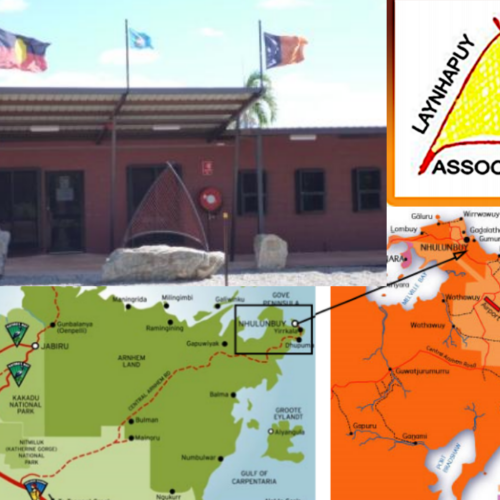
- Location Virgina, NT, Katherine ,NT, Laynhapuy Homelands , NT, Puntukurnu Homelands -Pilbara, WA, Newman, WA
- Health service delivery
Summary
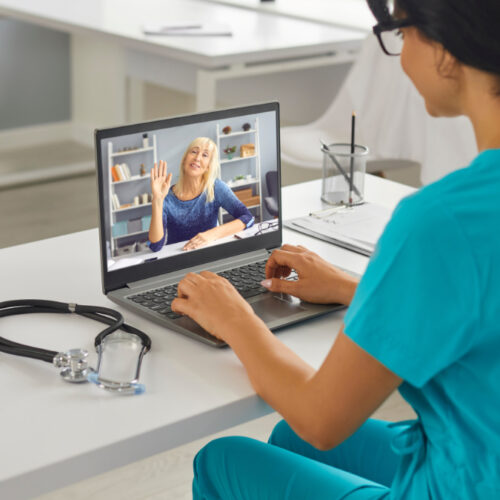
This project aims to develop a simpler, more robust (reliable with inbuilt backup-systems) and affordable telehealth system using NBN satellite connectivity and a range of telecommunications and diagnostic tools to enhance telehealth access and use in remote Aboriginal Community Controlled Health Organisations (ACCHOs).
The project team will develop and pilot innovative technological solutions; a telehealth-specific Sky Muster product, a new Telehealth Video Conferencing System, and a range of support tools; for telehealth implementation for seven additional remote Aboriginal communities.
This project is focused on three areas:
1. Internet connectivity: The development of an NBN Sky Muster product specifically designed for telehealth.
2. Telehealth Video System: The development of a reliable, simple, cost effective, and easy to use Telehealth Video System (TVS) using a combination of hardware (computers, smart phones, cameras) and software (such as video conferencing tools) that will work well with NBN Sky Muster.
3. Operator Capacity: Development of training, support, trouble-shooting and messaging tools for Aboriginal Community Controlled Health Organisations (ACCHOs).
Expected outcomes
Development of NBN Sky Muster Internet Product
This project will introduce community members to new digital communications technologies, train them and create an ongoing role for local people. It will improve health outcomes by creating better ways to diagnose and manage community health.
Telehealth Video System (TVS) Development
During the course of the project seven remote Aboriginal Communities will be expected to have implemented telehealth at the two homeland areas – Puntukurnu communities, Pilbara and Laynhapuy, East Arnhem using the TVS developed through this project.
It is anticipated that another three communities in the Laynhapuy homelands will take up this product when they have obtained enough confidence in the NBN product and sufficient savings through telehealth.
Patient travel savings
For those remote Aboriginal communities using telehealth there will be a reduction in community people having to travel for specialist appointments and emergency evacuations.
Increasing Medicare income for service providers
Assist with change and adoption of new Medicare Telehealth items numbers for remote health into work practice in clinics servicing remote patients by Synapse Medical Services.
As part of this project it is anticipated that if an on-site GP sees 10 patients per day and claim MBS item 36 (scheduled fee $73.95) this would generate an additional income of approximately $185,000 pa.
Increased access to a wider range of health services
It is anticipated there will be increased access to a wider range of services through the wider uptake of telehealth for the project ACCHOs.
Publications
30 December 2020
Developing a simple, robust telehealth system for remote communities: Identified issues and recommendations on telehealth tools
Type: Presentations
Industry: Health service delivery