

Evaluation of the potential to expand horticultural industries in Northern Australia
- Reference # A.1.1718014
- Research Programs 1. Sector and supply chain development
- Project Timeframe 1.5 years (2018 to 2020)
- CRCNA Funding $177,440
- Total project value $434,029
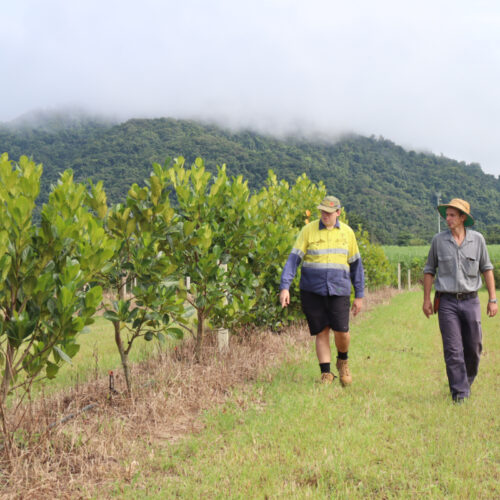
- Horticulture
Project locations: Brisbane, Singapore, China, South Korea, Hong Kong
Project partners: The University of Queensland ; Horticulture Innovation Australia Limited ; QLD Dept Agriculture and Fisheries ; NT Dept. Primary Industry and Resources ; WA Dept. Primary Industries and Rural Development
Project summary and impacts
The objective of the research was to create a growth stimulus across horticultural industries in northern Australia by matching new developments in the industry with new international market opportunities.
The project developed an industry research framework to evaluate the potential to expand horticultural industries in northern Australia. In discussion with the project partners, three major research themes – supply intelligence, market intelligence and supply chain intelligence – were identified as key priorities for action. The analytical results of the project provide an evidence-base to support decision-making in regional and market investment.
The project evaluated three horticultural industries – lychee, avocado and mango – in northern Australia and assessed opportunities to expand into new high-margin, targeted Asian markets by undertaking comprehensive market assessments in Hong Kong, Singapore, China, Japan and South Korea. The intent was to work within a cooperative framework with northern Australia’s horticultural growers, researchers and peak industry bodies and provide key market information to inform and strategically support their future decision-making, while ensuring growth in both volume and return.
The study’s outputs provide guidance on where to support strategic development actions within industry and to direct major investments for Horticultural Innovation in northern Australia. One of the key findings was that the voice of the consumer in the Asian markets analysed is not being heard by most growers. What has been suggested is a stronger long-term solution, supported and enabled by new governance structures and technology.
Publications

23 June 2025
Impact report: Evaluation of the potential to expand horticultural industries in northern Australia
Type: Report
Industry: Horticulture
10 September 2020
Evaluation of the potential to expand horticultural industries in Northern Australia
Type: Report
Industry: Horticulture
News

29 August 2018
