

- Author North Regional TAFE, Western Australia
- Publish date 1 July 2021
- Type Report
- Documents
- Aquaculture
- First Nations led business development
Summary
This technical guide documents hatchery processes developed through research undertaken at the Broome Aquaculture Centre between 2017 and 2021.
Prepared by North Regional TAFE, the resource provides practical guidance on cherabin broodstock management, larval rearing, water quality, feeding, biosecurity and juvenile production.
Drawing on pilot-scale hatchery experience, the guide includes operating procedures, monitoring templates and recommendations to support future research and development of cherabin aquaculture in northern Australia.
The publication complements the CRCNA’s final project report and provides a practical reference for researchers and aquaculture operators exploring cherabin production.
Projects
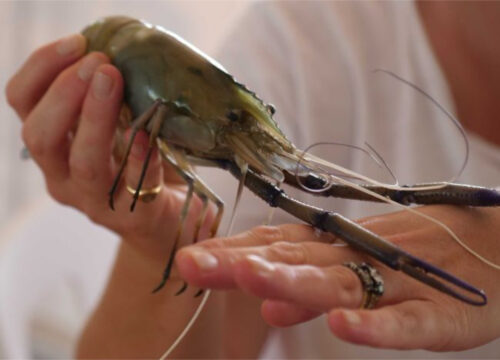

Cherabin aquaculture production as an enabler for Indigenous business development
Cherabin aquaculture production as an enabler for Indigenous business development explored the potential for Indigenous-led freshwater prawn aquaculture in northern Western Australia, combining workforce development, aquaculture research and regional business opportunities. Delivered through a partnership between North Regional TAFE’s Broome Aquaculture Centre and the Emama Nguda Aboriginal Corporation, the project investigated hatchery production, larval rearing, transport and growout systems for cherabin while providing accredited aquaculture training and skills development for Aboriginal participants. The project generated valuable knowledge on cherabin production systems, biosecurity management and hatchery operations under northern Australian conditions. Researchers refined larval rearing techniques, improved hatchery survival rates and developed practical production protocols that provide a foundation for future freshwater prawn aquaculture ventures. The project also highlighted the importance of workforce development, local capability building and culturally appropriate business models in supporting Indigenous participation in aquaculture industries. While a range of technical, operational and environmental challenges limited the project’s ability to demonstrate commercially viable production at scale, the research identified key production requirements and critical areas for future development. The project’s findings have improved understanding of cherabin aquaculture systems and continue to inform future Indigenous aquaculture initiatives, training programs and industry development opportunities across northern Australia.