

- Author CRC for Developing Northern Australia
- Publish date 2 March 2021
- Type Fact sheet
- Documents
- Broadacre cropping
Summary
This newsletter provides an update of the CRCNA’s five cropping research collaborations currently underway at various locations across Northern Australia.
These projects are co-funded by the CRCNA, the Grains RDC (GRDC), the Cotton RDC (CRDC) and include cash and in-kind co-contributions from other industry project participants.
From March 2021, the CRCNA and project participants will host a weekly webinar session for each of these projects and the registration details are provided within this newsletter or via our events page here.
Projects

Potential for broadacre cropping in the NT
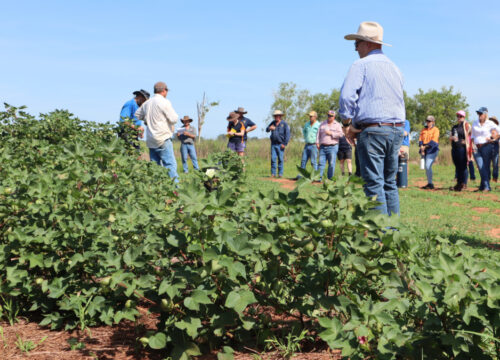
This project includes co-investment from the Grains Research and Development Corporation (GRDC) and the Cotton Research and Development Corporation (CRDC) with funding reported here as combined CRCNA funding. It will collate historical broadacre cropping data, natural resource information and an understanding of market opportunities to support the development of viable broadacre cropping systems in the NT. This will be achieved by project participants who each bring unique expertise to develop crop management strategies which will help to de-risk broadacre agriculture in the Top End. The initial focus of this project will be on dryland and irrigated systems growing cotton and peanut crops, while maize, sorghum, rice and pulse crops will also be investigated as possible ‘break crop’ options for cotton and peanut producers. A mixture of on-field and simulation techniques will be used throughout this project. On-farm demonstration crop plots planted on commercial properties will serve two purposes: Additional testing of the crop simulation models Experience for the producer and extension site for promoting agricultural method to local producers. A component of the extension plan for this project will introduce producers to simple methods to establish precision and robustness for on-farm crop trials. The project will work with collaborating farmers to ensure the on-farm demonstration plots are achieving their goal while not impeding commercial farm operations. Additionally, researchers will investigate harvesting wet-season flood flows into off-stream storages and undertaking dry-season cropping as a viable irrigation alternative which could support further agricultural development across the Northern Territory. Researchers will develop a natural resource (soil and climate) database for the NT to further support agronomic decision-making and help identify potential crops, the timing and length of the potential cropping windows, and the impacts of climate and edaphic conditions on yield and quality. These factors ultimately determine the productivity of broadacre cropping systems and thus the potential of diversifying pastoral leases. For those crops which will technically grow based on available resources and environmental conditions, there must also an analysis of their market opportunities to support their successful adoption.

Spicing up Northern Australia with high-value condiment crops
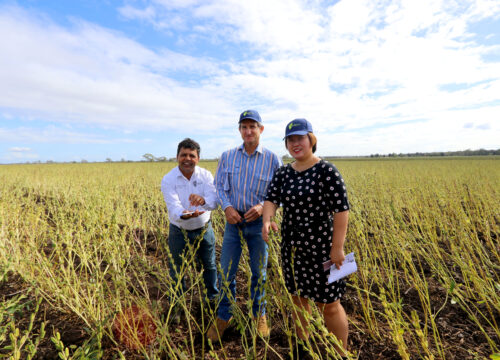
This project will undertake field trials to test the suitability of these spices to real-world operating systems and develop agronomic advice to support grower adoption. Through the direct involvement of farmers, advisers and commercial seed companies, this project will build the supply chain links needed to establish a new and viable industry for the North. Researchers will assess the market and supply chain opportunities available and the environmental and agronomic systems required for producers in northern Australia to adopt five high-value spice crops (cumin, caraway, black sesame, kalonji and fennel) to form the basis of a new industry to meet Australian demand and become an export opportunity. Data gathered in glasshouse trials by CQUniversity and AgriVentis Technologies has delivered the proof of suitability of these five-spice crops to advance research to field trial stage. Data gathered from this project’s field trials in the six different agro-ecological zones will allow for detailed assessments to be made of the suitability of these crops for wide-scale commercial production in northern Australia.
De-risking broadacre cropping options in northern Queensland
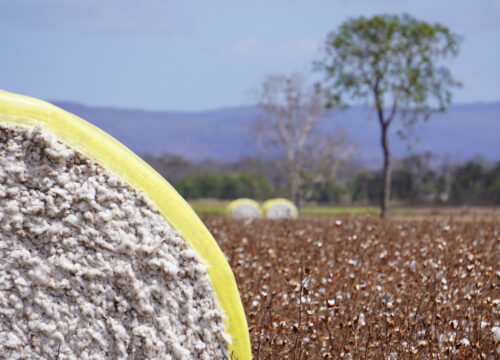
This project proposes a participatory on-farm program with growers driving the RD&E activities to identify best crop and management options and bridge gaps between present and potential yields. The research will assist building farmers’ skills, and identifying high profit and low risk options in broadacre cropping by trialling sorghum , maize and forage crops. It will: Work with farmers to identify and address knowledge gaps in cropping and ensure they are engaged across the life of the project through a participatory approach to RD&E. Run researcher managed trials at “Strathmore Station” (Gilbert catchment) and “Curra” (Burdekin catchment) to develop adapted agronomic packages. Support farmers’ managed trials at “Prestwood Station” (Gilbert catchment). Work with Radicle Seeds Australia and Elders to identify optimum combinations of hybrid characteristics in maize and sorghum crops and forages likely to confer adaptation to northern Australia’s environments and markets. Communicate project outputs with farmers, consultants, AgForce members, and agribusinesses across the Gilbert and Burdekin catchments.
Developing an oilseed industry in Northern Australia
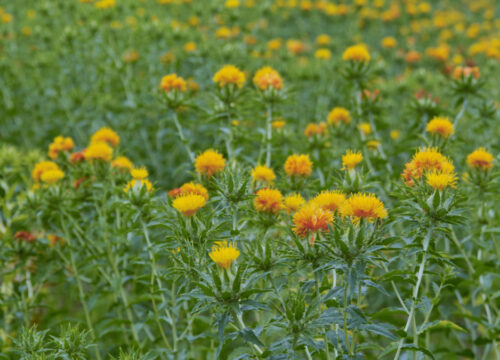
This project identified a range of adapted oilseed crops suitable for commercial-scale production as part of a high-value component of a Northern Australia cropping system. Some of the crops trialled included sesame, soybeans, safflower, linseed, canola, mustards and nigella. The research team have delivered a trial compendium which provides a comprehensive overview and analysis of the project and the field trials.
Developing a broadacre cropping sector in northern Queensland
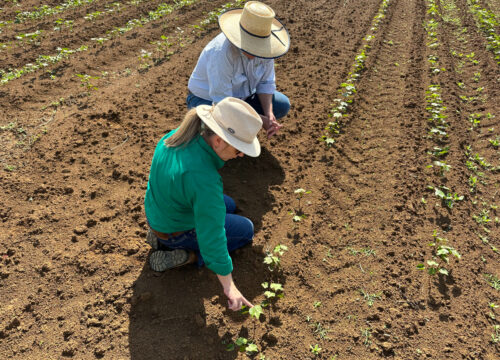
This project will work with existing and new grain growers, and the agribusiness sector, within the Gulf River catchments to develop local cropping systems and agronomic skills. Within the Gulf River catchments of north Queensland there is limited experience and knowledge around the performance and profitability of potential dryland and irrigated broadacre grain crops that could be grown. An understanding of the variability in this performance is critical in providing local landholders and potential investors with the knowledge and assessment of risk needed to develop appropriate grain cropping systems for the region. This project will provide the opportunity for local landholders and agribusiness personnel to gain the necessary knowledge and skills needed for successful production of grain within existing extensive grazing enterprises within the region.