


- Author Pendegast,L., Harris,G., Matchett,T., Eyre, J.
- Publish date 6 May 2020
- Type Webinar
- Documents
- Broadacre cropping
Summary
Project leaders from the CRCNA’s three Far North Queensland-based broadacre cropping projects held a live webinar session with industry stakeholders. During the session, they provided an update of their research activities, important lessons learned so far and interactive Q & A.
A brief overview of the session and the FAQ is provided in the fact sheet below.
Projects


De-risking broadacre cropping options in northern Queensland
This project investigated how broadacre cropping could be integrated into grazing systems across northern Queensland to improve profitability, resilience and land productivity. Working with producers, agribusinesses and regional stakeholders, the project tested crop options, varieties and management practices through on-farm trials and modelling. The research identified sorghum as a strong diversification opportunity for northern grazing enterprises, with several experimental hybrids outperforming existing commercial varieties and progressing toward commercial release. The project also developed practical agronomy packages and decision-support tools to help producers assess cropping opportunities and manage production risk in highly variable seasonal conditions. The project demonstrated that integrating cropping with grazing can improve business resilience, support more efficient land use and create new regional economic opportunities across northern Queensland.
Developing an oilseed industry in Northern Australia
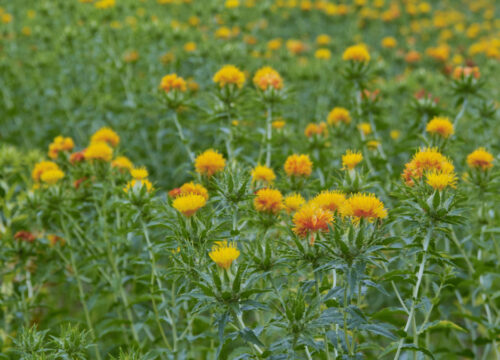
Developing an oilseed industry in northern Australia investigated the potential for oilseed crops to become a new and diversified agricultural industry across northern Queensland. Led by Savannah Ag Consulting and project partners, the project established multiple oilseed trials across Far North Queensland to identify which oilseed crops were best suited to northern growing conditions and how they could be integrated into existing farming systems, particularly sugarcane rotations. Trial and demonstration sites were established across Laura, Mareeba, Cairns, Innisfail and Walkamin, as well as in the Burdekin and Mackay regions, to support grower engagement and agronomic decision-making. The project screened a range of oilseed crops and identified several promising opportunities for future industry development. Particular focus areas included safflower production during sugarcane winter fallows, future biodiesel production from safflower oil and the longer-term potential for regional oilseed crushing facilities. Research also identified practical agronomic outcomes for soybean production, including benefits from reduced sowing rates and improved disease management strategies. Importantly, the project demonstrated how oilseed crops could contribute to more diverse and resilient northern farming systems by providing alternative crop rotations and additional income opportunities for growers. While large-scale commercial uptake remains limited, the project established a strong foundational knowledge base for future research, adoption and expansion of oilseed industries in northern Australia. The work continues to support ongoing investigation into profitable oilseed production systems, biofuel opportunities and integrated cropping models suited to tropical and subtropical northern environments.
Developing a broadacre cropping sector in northern Queensland
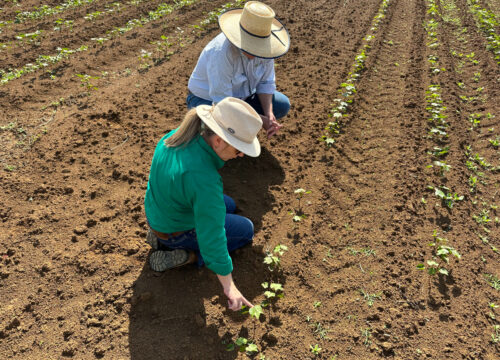
This project supported the development of broadacre grain cropping systems in the Gulf River catchments of north Queensland by building local agronomic knowledge, grower capability and industry confidence. Working with both existing and emerging grain growers, as well as the agribusiness sector, the project investigated the performance, profitability and production risks associated with dryland and irrigated grain crops in the region. Through field-based research and industry engagement, the project generated valuable insights into crop selection, agronomic management, yield potential, seasonal variability and farm profitability. The work helped equip landholders and investors with the practical knowledge and risk assessment tools needed to integrate grain production into existing extensive grazing enterprises. The project also strengthened regional agronomic capability by improving cropping skills among producers and industry personnel, supporting the long-term development of a diversified and resilient agricultural sector in the Gulf region. The research identified significant economic potential for irrigated grain production, with projected regional GDP benefits of $10–50 million annually and the potential to create substantial new employment opportunities across northern Queensland.