


- Author Graham Harris, Dr Lance Pendergast, Lawrence Owens and Charles Nastasi
- Publish date 31 August 2022
- Type Report
- Documents
- Broadacre cropping
Summary
This final report presents the findings of CRCNA-supported research investigating opportunities to develop a commercially viable broadacre cropping sector in north Queensland, particularly within the Gilbert River catchment. Drawing on five years of field trials at Forest Home Station near Georgetown, the project evaluated crop suitability, agronomic practices, soil conditions and production constraints for tropical cropping systems.
The research provides evidence to inform crop selection, farming practices and future investment in the region, alongside practical recommendations for growers and industry seeking to establish sustainable broadacre cropping enterprises.
Projects
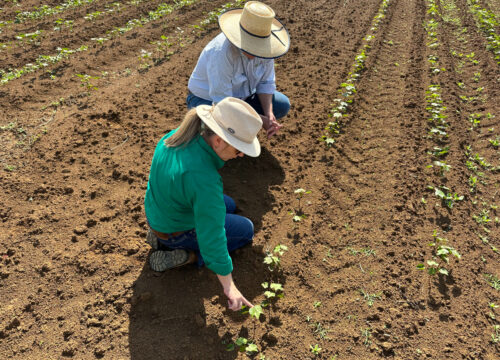

Developing a broadacre cropping sector in northern Queensland
This project supported the development of broadacre grain cropping systems in the Gulf River catchments of north Queensland by building local agronomic knowledge, grower capability and industry confidence. Working with both existing and emerging grain growers, as well as the agribusiness sector, the project investigated the performance, profitability and production risks associated with dryland and irrigated grain crops in the region. Through field-based research and industry engagement, the project generated valuable insights into crop selection, agronomic management, yield potential, seasonal variability and farm profitability. The work helped equip landholders and investors with the practical knowledge and risk assessment tools needed to integrate grain production into existing extensive grazing enterprises. The project also strengthened regional agronomic capability by improving cropping skills among producers and industry personnel, supporting the long-term development of a diversified and resilient agricultural sector in the Gulf region. The research identified significant economic potential for irrigated grain production, with projected regional GDP benefits of $10–50 million annually and the potential to create substantial new employment opportunities across northern Queensland.