


- Author Michael Stephens, Tyron Venn, Nahuel Pachas, Luke Danaher, Thomas Williams, Mauricio Fajardo, Tim Smith and Aaron Soanes
- Publish date 6 August 2026
- Type Report
- ISBN 978-1-922437-65-5
- Documents
- Forestry
Summary
This final report presents the findings of a three-year trial investigating the potential for silvopastoral systems to combine commercial timber, cattle grazing and carbon sequestration on the same land in northern Australia.
The project established a 55-hectare case study near Cardwell in north Queensland, combining Brahman cattle with Caribbean pine. Researchers compared a traditional high-density plantation with two different thinning treatments, measuring tree and pasture growth, cattle weight gain and behaviour, and modelling the longer-term financial performance of different silvopastoral systems. The research involved Queensland Department of Primary Industries, CQUniversity, University of Queensland, HQPlantations, Timber Queensland and industry partners.
Results showed significantly greater pasture growth and cattle weight gain in the thinned silvopastoral treatments compared with the traditional plantation. Cattle also increasingly used tree rows during hotter periods, highlighting the potential animal welfare benefits of providing shade. Financial modelling found appropriately designed systems could deliver higher long-term returns by combining beef, timber and carbon income, although establishment costs and delayed timber returns remain barriers to adoption.
The project provides an important evidence base for diversifying land use across northern Australia, with potential benefits including new timber production, diversified farm income, carbon sequestration, improved cattle welfare and greater climate resilience. It recommends further trials across different regions and tree species, continued monitoring of the Cardwell site, stronger industry partnerships and further development of incentives and carbon market mechanisms to support adoption.
Projects
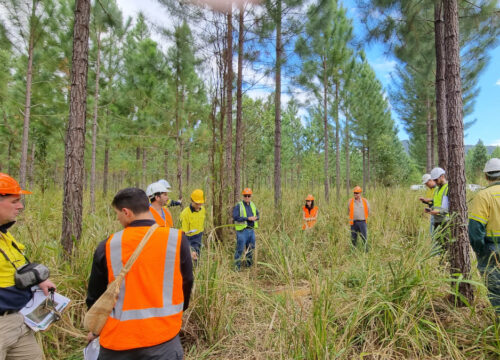

Silvopastoral trials of commercial pine systems in North Queensland
This project investigated the potential of silvopastoral systems to diversify income streams for northern Australian graziers while expanding the region’s softwood timber resource. Focusing on commercial Caribbean pine plantations in north Queensland, the research evaluated how timber production, cattle grazing and carbon sequestration could be integrated within the same land management system. Field trials compared traditional pine plantations with alternative silvopastoral designs that combined reduced tree stocking rates with livestock production. Researchers assessed the interactions between tree growth, pasture production, cattle performance and carbon outcomes, while modelling the financial performance of integrated timber and beef enterprises relative to conventional grazing systems. The project provided evidence on the productivity, profitability and environmental benefits of combining forestry and livestock production, including opportunities for farm income diversification, improved resilience to climate variability and increased carbon sequestration. By examining the trade-offs and synergies between timber, beef and carbon markets, the research delivered valuable information to support landholder, investor and industry decision-making. The findings contribute to a stronger evidence base for the adoption of silvopastoral systems in northern Australia and highlight pathways to increase regional timber supply, support sustainable grazing enterprises and unlock new opportunities for carbon and natural capital investment.