


- Author CRCNA and research partners
- Publish date 17 November 2025
- Type Report
- Documents
- Water: Making Water Work program
- Agriculture
Summary
This impact report summaries the impacts of the CRCNA project A.7.2122010 ‘Making Water Work program: Achieving reef water requirements in new agricultural developments’.
This project developed the tools, farm plans, and governance systems needed to expand irrigated agriculture in the Fitzroy region (Central Queensland) while protecting reef water quality. By enabling compliant land development and improving grower capability, it is supporting new production, reducing compliance costs, and ensuring no net increase in pollutants entering the Fitzroy River.
Projects
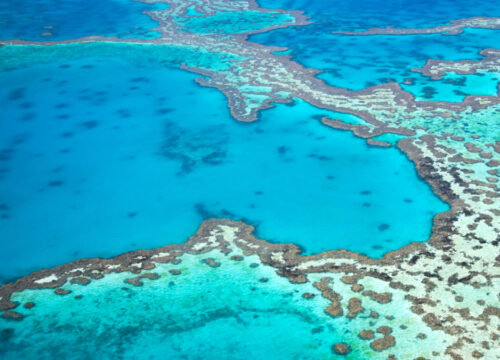

Making Water Work program: Achieving reef water quality requirements in new agricultural developments
This project supported the sustainable expansion of agriculture in the Lower Fitzroy by helping producers and emerging agricultural enterprises meet reef water quality requirements while maintaining productive and commercially viable operations. As agricultural development increases in response to new water availability from Rookwood Weir, the project addressed the practical and regulatory challenges of managing sediment, nutrient and pesticide runoff in a sensitive Great Barrier Reef catchment. Working with producers, industry and government partners, the project developed the South Yaamba Reef Water Quality Precinct Plan, including detailed water quality modelling, practical implementation tools and a transition pathway to support continuous improvement in land and water management. This work helped landholders navigate reef regulations and the Land Management Code of Practice, implement effective monitoring and record-keeping systems, and adopt management practices that minimise environmental risk from the outset of development. A key outcome was the development of 19 individual irrigation farm plans, enabling up to 800 hectares of new irrigated production and access to 5,600 ML of Rookwood Weir water, subject to regulatory approval. The project also established a systems governance framework and streamlined approval processes between agencies to support coordinated compliance and water quality management. Beyond regulatory compliance, the project demonstrated how agricultural development and reef protection can be advanced together. By supporting no net increase in sediment, nutrient and pesticide runoff to the Fitzroy River, the project contributes to Reef 2050 water quality objectives while creating a pathway for new agricultural production, estimated to generate an initial $2.64 million annually, with future opportunities in higher-value horticulture.