


- Author The University of Queensland
- Publish date 3 May 2023
- Type Webinar
- Documents
- Beef
- Broadacre cropping
- Strategic policy development
Summary
Dr Joe Eyre from the Queensland Alliance for Agriculture and Food Innovation’s Centre for Crop Science presents this QAAFI Science Seminar .
The lack of a common vision and integrated approach for agricultural development across Northern Australians’ agro-ecological niches has weakened the effectiveness of limited public and private investment to develop cost-effective and feasible solutions.
Integrated crop-livestock systems (CLS) provide an opportunity to manage risks (markets, climate, policy, biosecurity), increase resource use efficiency and land-use, and provide flexibility for tactical decision making.
The North Queensland cotton, grains and cattle farming system project will build on momentum initiated by the Etheridge Shire Council, the Far North Queensland Sustainable Cropping Group (FNQSCG) and on-going CRCNA programs to:
1. Co-design scalable diversification options and drought resilience practices for northern Queensland cotton, grain and cattle enterprises, and quantify the economic, social and environmental values and risks of these options
2. Attract public and private co-investment to sustain participatory action research and development (R&D) for addressing complex crop-livestock systems problems in NA
3. Facilitate extension and adoption of successful practices across the region in partnership with the Cotton Seed Distributors-led Enhancing extension capacity to sustain growth of North Queensland Cropping Systems (A.2.2122031 )” project.
Watch the webinar
Projects
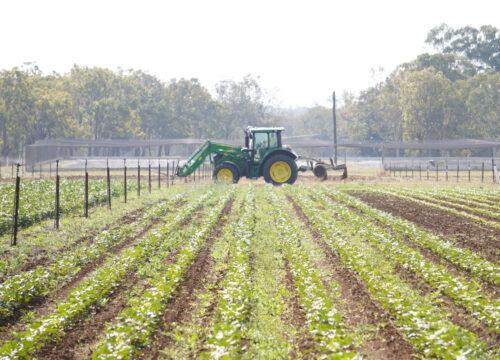

Cotton Grains Cattle program: North Queensland farming systems
This project aims to co-design scalable diversification options and drought resilience practices for cotton, grain, and cattle enterprises in northern Queensland. It will also quantify the economic, social, and environmental values and risks associated with these options. Participatory, whole-farm systems research will examine: Current farm resources and business performance. Co-designed, time sensitive responses to drought and market volatility. Information and tools required for adoption of new practices. The impact of extreme climate events on productivity and sustainability. The level of climate information accuracy and timeliness required to deliver economic value. How climate variability influences the risk of not adopting available solutions. Whole-farm economic models assessing the value of on-farm produced grains and/or forage crops when integrated into cropping systems for cattle feed. Alignment of existing environmental stewardship frameworks with North Queensland mixed farming systems, agribusiness, and regional community development goals. Appropriate stewardship guidelines and self-assessment options to balance costs, legislation, social license and value chain demands and opportunities. This project will support North Queensland farmers and rural communities by providing the information and skills needed to capitalise on agricultural commodity booms. It will also help identify scalable business plans for reinvestment in resilient crop-livestock systems that deliver a lasting legacy of economic, social and environmental prosperity for rural Northern Queensland. The key drivers for this change include high land and commodity prices, climate variability, cattle biosecurity and market risk, emerging carbon markets, and policy settings. The project brings together experienced public and private researchers, along with value chain actors in a coordinated approach to enable cotton-led farm diversification as part of sustainable cropping systems that also benefit cattle producers.