


- Author Jim Turnour, Abner Yalu and Jennifer McHugh
- Publish date 9 September 2026
- Type Case study
- Documents
- Water
- First Nations led business development
Summary
This case study examines the practical challenges facing an Aboriginal enterprise seeking to secure water for economic development under the Water Plan (Cape York) 2019.
The report explores four potential pathways to accessing water, including assigning existing First Nations water entitlements, purchasing licences, accessing unallocated reserves and developing water storage infrastructure.
It highlights how governance arrangements, regulatory complexity, infrastructure costs and water security can influence investment decisions, and identifies opportunities to improve access to water for First Nations-led enterprise development.
Projects

Activating First Nation Water Rights under the Cape York Water Plan
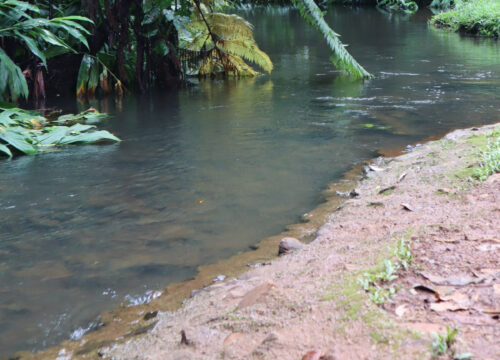
The Water Plan (Cape York) 2019 reserves 485,300 ML of water for Traditional Owners through the Cape York Peninsula Heritage Area (CYPHA) water reserve, creating opportunities for First Nations-led economic development, environmental management and community benefit. This project supports Traditional Owners and Aboriginal corporations to better understand, access and utilise their water rights. Research has examined the regulatory, governance and practical barriers to activating water entitlements, including opportunities for improved water management and leasing arrangements. Key outputs include a comprehensive situational analysis and a practical Cape York Water Manual, providing guidance on water licensing, governance and decision-making. The findings will help strengthen First Nations water governance and self-determination, while informing future water policy and regulatory improvements across northern Australia. Cape York Peninsula Heritage Area water licences – Queensland Government: https://www.qld.gov.au/firstnations/environment-land-use-native-title/water-reserves-licences/cape-york-water-licences