

- Author CRCNA
- Publish date 23 November 2020
- Type Report
- ISBN 978-1-922437-14-3
- Documents
- Aquaculture
- Beef
- Broadacre cropping
- First Nations led business development
- Forestry
- Health service delivery
- Horticulture
- Rice
- Strategic policy development
- Supply chain development
Summary
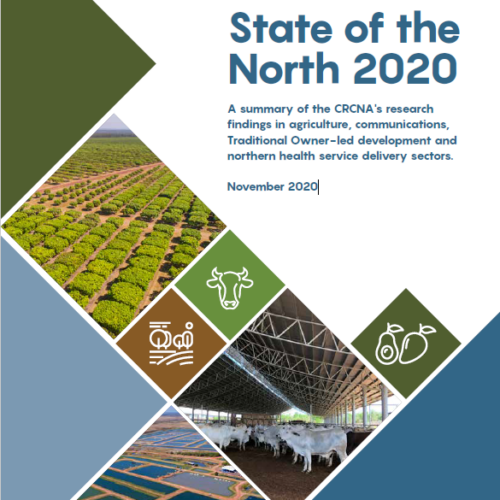
The State of the North report provides an overview of the CRCNA’s foundational research across key Northern Australian agricultural, Traditional Owner-led business, communications and health sectors.
The State of the North 2020 report provides :
- A comprehensive assessment of Northern Australia’s key agricultural sectors detailing the opportunities and challenges facing development
- New evidence-based insights and solutions developed with industry for industry
- New pan-northern solutions to support the de-risking of Northern Australian agricultural development
- A clear pathway forward for the CRCNA, our investment partners and research collaborators.
Projects


Northern Australia health service delivery situational analysis
This project will identify key challenges and opportunities facing the northern Australian health service delivery sector and explore potential developmental scenarios and/or identify the most strategic research projects and development priorities for further investment. This will include but not be limited to infrastructure, clinical issues, policy, new models of care, investment, knowledge, training and human capital gaps and the research or alternative solutions to address them. A consortium of health service delivery providers across northern Australia will bring substantial applied research experience in northern Australia including in health services, indigenous health and tropical health. Their membership in the consortium will strengthen the quality and relevance of the synthesis and analysis, ensuring ownership of the analysis outputs by the health sector and providing a strong foundation for the growth and development of the northern Australia health service delivery sector.

Developing a broadacre cropping sector in northern Queensland
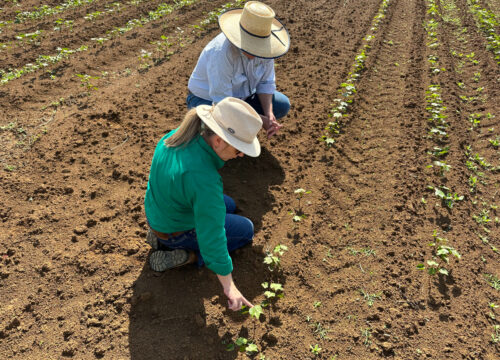
This project will work with existing and new grain growers, and the agribusiness sector, within the Gulf River catchments to develop local cropping systems and agronomic skills. Within the Gulf River catchments of north Queensland there is limited experience and knowledge around the performance and profitability of potential dryland and irrigated broadacre grain crops that could be grown. An understanding of the variability in this performance is critical in providing local landholders and potential investors with the knowledge and assessment of risk needed to develop appropriate grain cropping systems for the region. This project will provide the opportunity for local landholders and agribusiness personnel to gain the necessary knowledge and skills needed for successful production of grain within existing extensive grazing enterprises within the region.

Reframing smart supply chains in Northern Australia
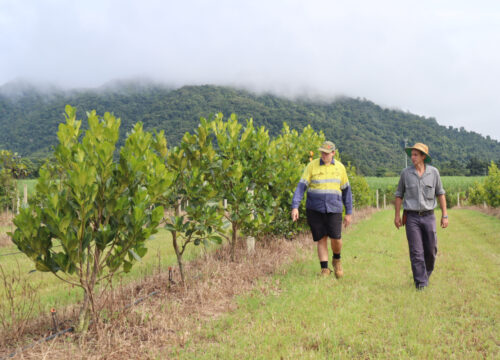
Supply chains are fundamental to the improvement of competitiveness, prosperity, productivity and sustainability of northern Australia. This project aims for a renewed examination and re-framing of agricultural supply chains in northern Australia, with a view to develop alternative models of supply chain management which are efficient, effective, smart and agile. It will also identify key policy and budgetary directions to support effective supply chains across the region and identify potential partnerships for collaborative planning and implementation of supply chain initiatives and value add to supply chain thinking and analysis.

Northern Australia rice industry situational analysis study
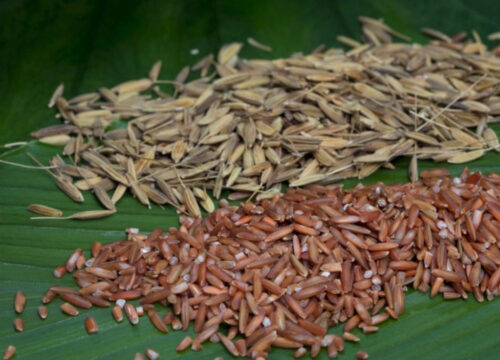
This industry situational analysis study will, for the first time in Australia, explore and pursue options for the development of a rice industry in northern Australia. It will assess the status of the rice market, rice production and barriers to the industry in northern Australia, Australia and globally and evaluate three key options for industry development. These are: Wild rice production northern Australian rice production improved rice production Wild rice production This option would involve the commercial production of wild rice as a distinct wild Australian food product and would include an evaluation of the potential for wild harvest as well as cultivation of the wild species in northern Australia. Northern Australian rice production This option will assess the potential to establish a unique Australian type of domesticated rice by transferring a few key attributes from Australian wild rice into domesticated rice. These would aim to ensure viable production by providing resistance to major local pests and diseases but also add novel consumer traits such as grain size, colour and texture. Improved rice production This option would involve evaluating the potential for commercial use of genes from Australian wild rice to support the breeding of rice for global production. This could include support for adaption of rice to climate change. As part of the project, a Northern Australian Rice Industry support group will be established to provide stewardship to the developing industry. This group will explore the past development and growth patterns in the industry and baseline current industry characteristics, including size, production, income, productivity measures and employment levels to understand capacity and scalability limitations.
Northern Australian Communication Analysis
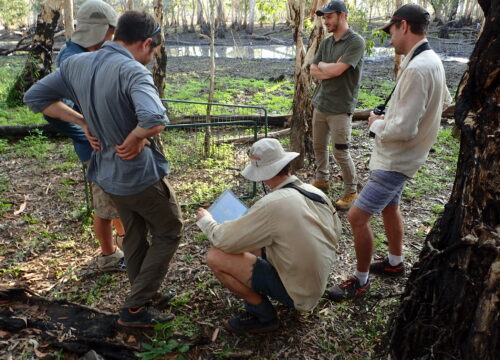
The purpose of this project is to mobilise an emerging consortium of research, business and industry partners to investigate the impacts and relevance of digital inclusion for developing northern Australia, including identifying impediments and solutions to enterprise and social development Digital inclusion – access, affordability and digital ability – is essential to economic prosperity, social inclusion and community cohesiveness. Furthermore, digital exclusion exacerbates social and economic disadvantages, such as low-income status, low levels of education, and remoteness. The Australian Digital Inclusion Index (ADII) reveals some northern Australians (particularly in NW QLD, NT and rural WA) are missing out on the benefits of digital inclusion. Given that Deloitte’s Connected Continent II report estimates Australia’s digital economy will be worth $139 billion by 2020 (7.3% of GDP), digital inclusion is an essential component of the task of developing northern Australia. The project will culminate in a directions paper outlining a detailed road map for digital inclusion research, practice, and policy development for northern Australia. It will include case studies that provide a snapshot of the connectivity challenges and impacts in northern Australia, and a technical note will be produced detailing the identified solutions, potential ag tech opportunities and associated recommendations of this project. It will be presented in a format designed to assist producers in northern Australia how to assess their connectivity needs, for themselves, and identify potential solutions Visit the project website.

Northern Australia aquaculture industry situational analysis study
This project will identify key challenges and opportunities facing the northern Australian aquaculture sector and will explore potential solutions and/or identify the most strategic research projects for further investment. This situational analysis study will examine current industry characteristics, including industry size, production, income, productivity measures and employment levels to understand capacity and scalability limitations. It will include, but not be limited to examining: infrastructure, biosecurity, animal health management, the investment landscape, policy, training and human capital gaps and the research or alternative solutions to address them. A Northern Aquaculture Industry Vision 2028 will also be developed as part of this study. This vision and strategy will be developed in collaboration with indigenous and non-indigenous stakeholders including industry associations, Aquaculture farmers, researchers, government and non-government organisations via a series of focus group sessions.

Northern forestry and forest products situational analysis
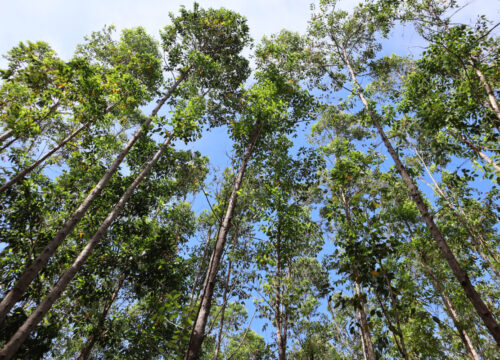
This industry situational analysis study will identify and describe key challenges and opportunities faced by the northern Australian forestry and forest products industry. It will explore potential policy, investment and other solutions to challenges and assess sector- wide research priorities as well as identify the most strategic research projects for further investment. As part of the project, a Steering Committee will be formed comprising of northern Australia forestry industry stakeholders from each State and Territory (where possible) as well as at least one representative of indigenous and non-indigenous forest growers, the livestock industry, wood product processing industries, and relevant government agencies.

Northern Australian beef sector industry situational analysis study
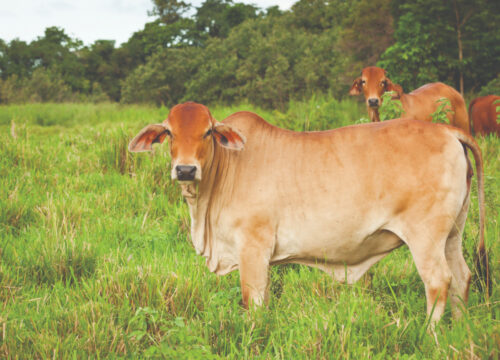
This project will identify key challenges and opportunities facing the northern Australian beef sector by exploring potential solutions and identifying the most strategic research projects in order to develop priorities for further investment. This research will include and not be limited to: infrastructure, policy, investment, environmental, production, knowledge, training and human capital gaps and the research or alternative solutions to address them. The report will provide recommendations in all key areas identified to facilitate growth and development of the northern Australian Beef Industry.